
Welcome to the Five-Minute Ameriquins History Decoder Page.
How to Use Your Five-Minute Ameriquins™ History Decoder
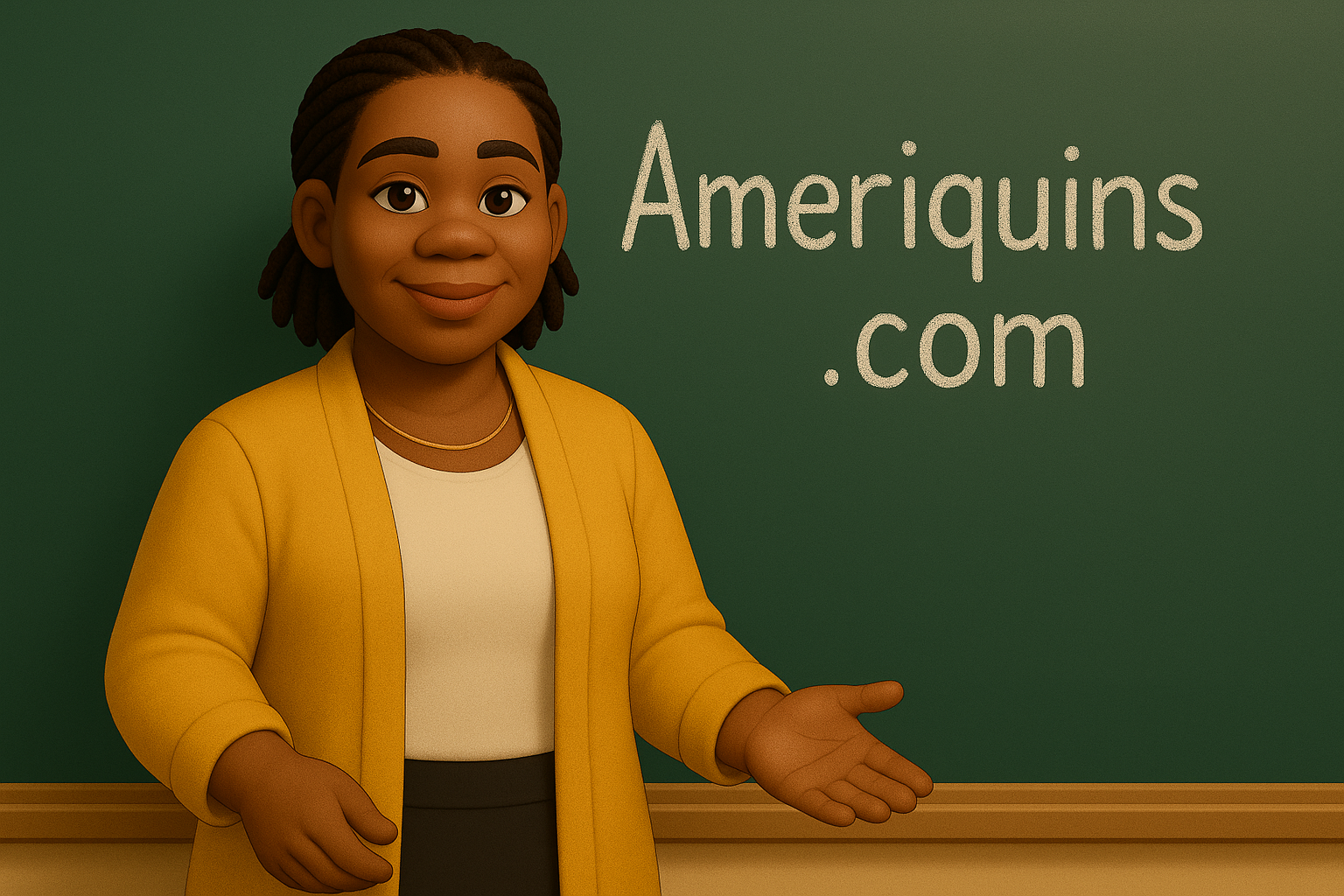
Instructions from Keisha Tormund, Teacher & Ameriquin Mentor
Welcome! I’m Keisha Tormund, and I’ll be your guide through each Five-Minute Ameriquins History Decoder. Whether you’re a student, a parent, a teacher, or someone who simply loves learning, this series is built to help history make sense—quickly, clearly, and with purpose.
Every Decoder takes five minutes or less and gives you the essential pieces you need to understand a major American moment. No long chapters. No heavy textbooks. Just the facts, the meaning, and the connection to your life today.
Here’s how to use each Decoder for the best experience:
1. Start With the Big Moment
Every Decoder opens with the key event—what happened, when it happened, and who was involved. Read this section first.
Think of it as the anchor: the “what” that holds the whole story together.
2. Look for the “Why It Mattered” Section
This is where the Decoder goes deeper.
We unpack why the moment shaped America, how it changed people’s lives, and how its effects still echo today.
This is the part your teachers love—and the part I hope you’ll remember.
3. Follow the Keywords
You’ll see helpful keywords throughout the pages. They’re here to guide your reading:
-
Key Idea – The one core fact you don’t want to miss.
-
Look Closer – A detail or insight that reveals something new.
-
Civics Connection – What this moment teaches us about being citizens.
-
Vocabulary – A quick explanation of words you’ll see again in American history.
Use the keywords to move through the Decoder at your own pace.
4. Think About the Civics Connection
Every moment in history teaches us something about how a nation works, how communities grow, and how people make decisions together.
That’s why each Decoder includes a short civics lesson—practical, clear, and grounded in the Five Stars of Freedom™.
Take a minute to reflect on this part. It’s how history becomes real.
5. Use the “Try This” Activity for Families and Classrooms
At the end of each Decoder, you’ll find a simple activity you can complete at home, at school, or with friends.
These activities are meant to spark conversation and help you apply what you’ve learned—without screens, complicated instructions, or special supplies.
Some days it might be a drawing.
Other days it might be a question.
Sometimes it’s something you can go outside and do.
Whatever it is, give it a try. You might surprise yourself.
6. Keep a Decoder Notebook
This part is optional—but it’s one of my favorite tips.
Use a small notebook to record:
-
Today’s Decoder topic
-
One thing you learned
-
One question it made you think about
Congratulations—you’ve just started your own civics journal.
7. Share What You Learned
Good ideas grow when we pass them on.
Tell someone in your home, your class, your online community, or your friend group what you discovered today.
You’d be amazed how many people want to understand history—but don’t know where to begin.
You can be the spark.
8. Come Back Weekly
Every Decoder builds your knowledge a little at a time.
History isn’t meant to overwhelm you.
It’s meant to prepare you.
Read one Decoder per week, and before long, you’ll understand America’s past—and your place in its future—far better than you thought possible.
A Final Word from Keisha
History belongs to all of us. Every family. Every classroom. Every curious learner.
And every time you take a new step, explore a new moment, or ask a new question, you help keep the American story alive.
I’m proud to walk this path with you.
Let’s get started—and remember: Freedom Still Rings.
Click here to go to the first decoder page: The Night The Bells Rang (July 8, 1776)